
Crocs Shoes Reviewed: Comfort, Practicality, and the Limits of a Clog
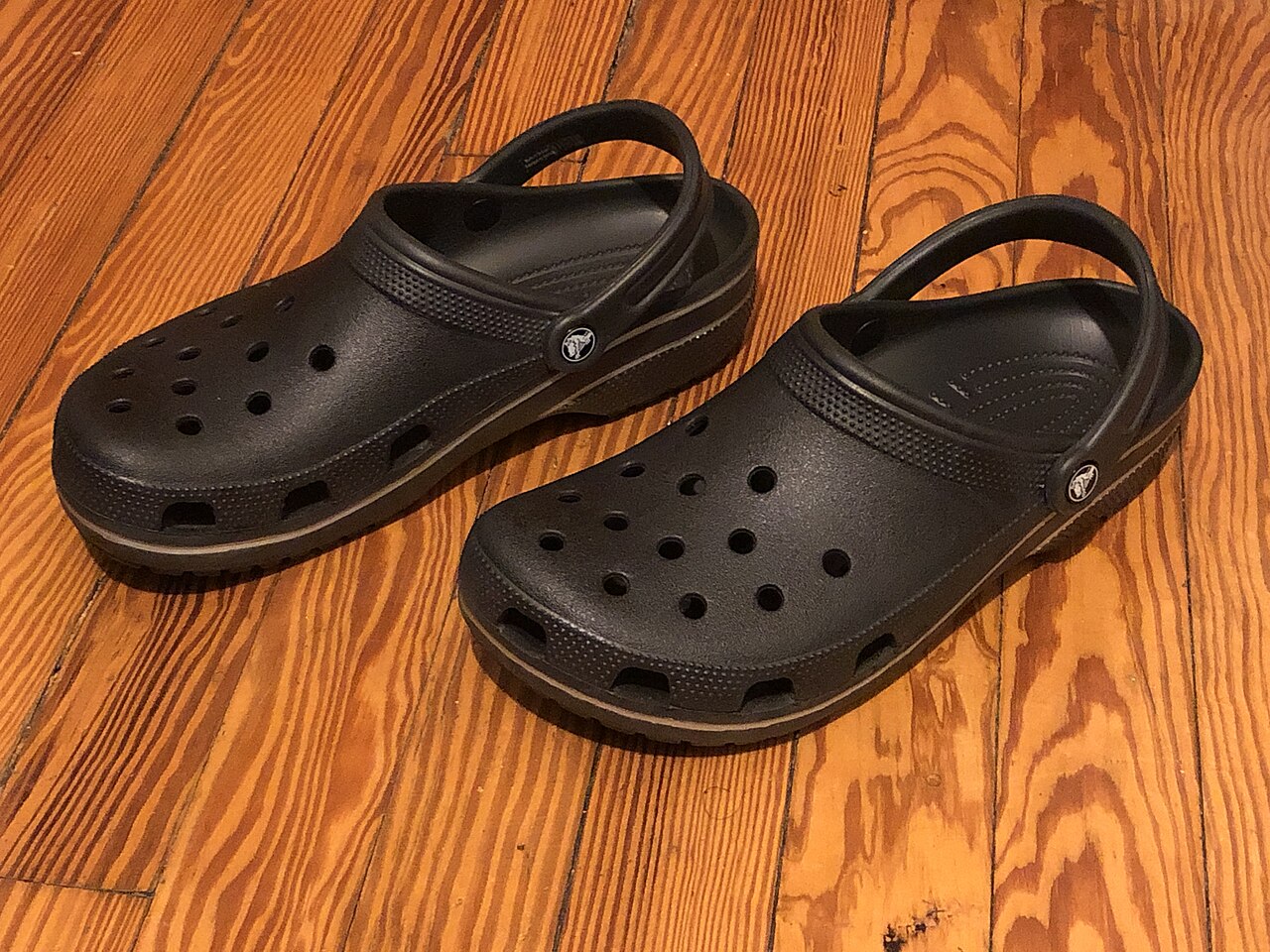
Crocs is the most divisive shoe brand in the world: loved by nurses, chefs, and gardeners, mocked by fashion critics, and worn by millions. This review looks past the argument about looks and asks what Crocs actually do well, where they fall short, and who they genuinely suit.
Brand Overview
Crocs was founded in 2002 in Colorado, and its first product was a boat shoe made from a lightweight resin called Croslite. The shoe — a wide, roomy clog with holes in the top and a strap at the back — was originally sold as a boating and outdoor shoe, but it found a much larger audience among people who stand all day: nurses, chefs, care workers, and gardeners, who valued its lightness, its comfort, and the fact that it could be washed clean. From there it spread to a mass market, and in brand-recognition surveys such as YouGov's rankings, Crocs appears as a widely known footwear brand in the United States, with a particularly strong following among younger buyers and among people who work on their feet.
Crocs is a brand that has been written off more than once and has come back each time, most recently through fashion collaborations and a revival among younger buyers that turned the Classic Clog into a streetwear item. That revival should not obscure what the shoe is for: it is a practical, comfortable, easy-to-clean clog, and its value is in what it does, not in what it looks like. This review is editorial and independent: Sole & Stride is not affiliated with Crocs, Crocs has not paid for this review, and nothing here is based on laboratory testing we claim to have done.
Main Product Lines
The Classic Clog is the product the brand is built on: a wide, roomy clog made from Croslite resin, with ventilation holes on top, a pivoting heel strap, and a light, cushioned feel. It is the shoe most people mean when they say Crocs, and it is the one that defines the brand. The Classic Slide and the Classic Sandal are variations on the same idea for warmer weather and for indoor use. Beyond the clog, Crocs makes a range of sneakers, boots, and lined clogs for winter, including the Classic Lined Clog, which adds a faux-fur lining for warmth.
Crocs also makes specialist ranges for work: the Crocs at Work line, with slip-resistant soles and a closed upper, is designed for kitchens, hospitals, and other workplaces where floors are wet and shoes need to be easy to clean. And it makes a large children's range, where the clog's ease of use and washability are genuine advantages. The range is narrower than a sportswear brand's, but it is coherent: almost everything Crocs makes is built around the same resin, the same roomy fit, and the same priorities of lightness, comfort, and easy cleaning.
Strengths
Crocs's greatest strength is comfort for the job it is built for. The Classic Clog is very light — typically around 200 grams per shoe — it is roomy, it cushions the foot, and it can be worn all day by people who stand on hard floors. The resin is waterproof and easy to clean: a clog that has been through a muddy garden or a hospital shift can be rinsed clean in seconds, which is a practical advantage no leather or fabric shoe can match. The heel strap, when worn in the secure position, holds the foot well, and the wide fit suits people with wide feet or swollen feet who struggle with narrower shoes.
A second strength is value and durability. A Classic Clog typically costs around $50 to $70 as of November 2026, and it lasts for years of regular use, because the resin does not wear out the way foam and fabric do. The brand also offers a wide range of colours and a system of decorative charms, which lets buyers personalise their shoes, and it has a strong following among children, for whom the ease of putting them on and the washability are real benefits. For gardeners, for people who work in wet environments, and for anyone who wants a shoe to slip on at home, Crocs is hard to beat.
Weaknesses
Crocs's weaknesses are the other side of its design. The clog is a poor walking shoe for long distances: it has a flat, soft footbed with little arch support, the heel is not as secure as a lace-up shoe, and the wide, roomy fit that makes it comfortable for standing makes it sloppy for walking, particularly on uneven ground. The resin sole has limited grip on wet, smooth surfaces, and the ventilation holes that keep the foot cool also let water, mud, and small stones in. The clog is also a poor choice for any activity that needs ankle support or a secure fit: running, hiking, or court sports are all wrong for it.
There are also practical complaints. The resin can cause sweating in hot weather, and the foot can slide inside the shoe when damp, which causes friction and blisters. The shoes are not breathable in the way a fabric shoe is, and they can develop a smell if they are worn without socks for long periods and not cleaned regularly. The fashion revival has also pushed prices up for some limited editions, and the brand's attempts to make fashion sneakers have had mixed results: they are competent, but they are not the reason to buy Crocs. And for people who need arch support, the Classic Clog offers very little, and an insole does not fit well inside it.
| Line | Typical use | Typical price range |
|---|---|---|
| Classic Clog | Standing, garden, casual wear | Typically around $50–$70 |
| Classic Lined Clog | Winter, cold weather | Typically around $60–$80 |
| Classic Slide / Sandal | Warm weather, indoor use | Typically around $40–$60 |
| Crocs at Work | Kitchens, hospitals, wet floors | Typically around $55–$80 |
| Crocs sneakers | Casual everyday wear | Typically around $60–$90 |
Who Crocs Suits — and Who It Does Not
Crocs suits people who stand all day on hard floors and need a light, comfortable, easy-to-clean shoe: nurses, chefs, care workers, and retail staff. It suits gardeners and people who work in wet or muddy conditions. It suits older buyers and people with wide or swollen feet who need a roomy, easy-to-put-on shoe. It suits children, for whom the ease and washability are genuine advantages. And it suits anyone who wants a comfortable shoe for the house, the garden, and short trips.
Crocs suits less well anyone who walks long distances, because the clog is not built for that and the feet will know by the end of the day. It suits less well people who need arch support, because the footbed is flat and soft. It suits less well anyone who needs grip on wet, smooth floors, because the resin sole is not as grippy as a rubber walking shoe. And it is a poor choice for any sport or for rough ground, where a secure, supportive shoe matters more than convenience.
Editorial Conclusion
Crocs is a shoe that does one job very well and several jobs badly, and the trick is to buy it for the job it does well. As a standing shoe, a garden shoe, and an easy indoor shoe, it is comfortable, practical, and good value. As a walking shoe, a sports shoe, or an all-day shoe for long distances, it is the wrong tool. Wear the heel strap in the secure position, wear socks if your feet sweat, and clean the shoes regularly, and a pair of Crocs will serve you for years. For the wider comfort picture, see our 10,000 steps guide, our slip-resistant shoes guide for older adults, and our sandals buying guide. Compare with our reviews of Skechers and Vans.
Image credit: Crocs clogs, photographed by Skyeyemx, licensed CC BY-SA 4.0, via Wikimedia Commons. Source: https://commons.wikimedia.org/wiki/File:Crocs-synthetic-clogs.jpg
