
Skechers Shoes Reviewed: Comfort, Value, and Who They Are Really For
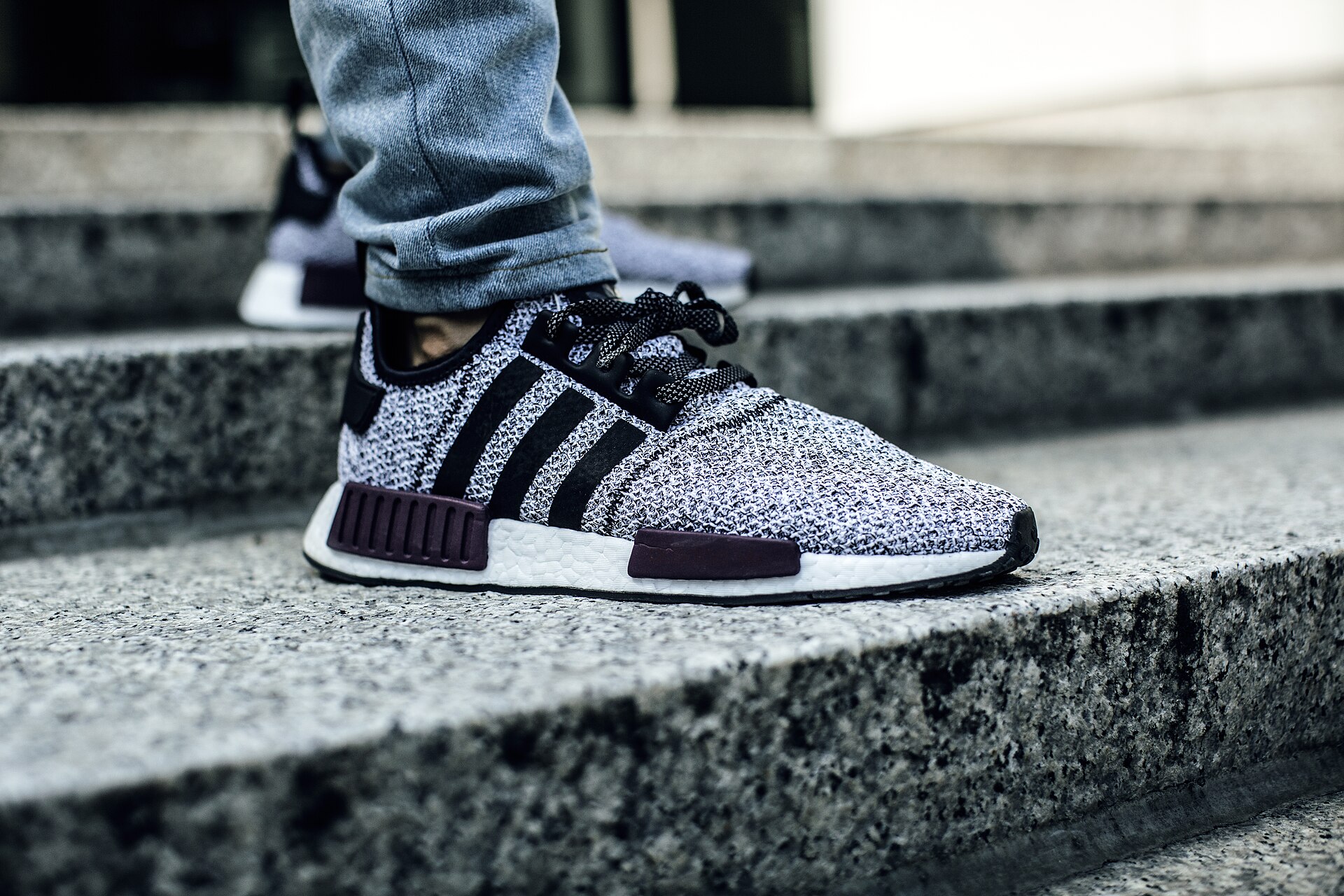
Skechers is the brand many people buy when comfort matters more than fashion, and its slip-on shoes and cushioned walking shoes have a loyal following among people who stand all day. This review looks at what Skechers does well, where it falls short, and who it genuinely suits.
Brand Overview
Skechers was founded in 1992 in California by Robert Greenberg, and it grew quickly by making comfortable, affordable shoes for people who were not necessarily athletes. Where Nike and Adidas built their brands around elite sport, Skechers built its around comfort and value: shoes that are easy to put on, soft underfoot, and priced below the big sportswear brands. That positioning worked. By the 2010s Skechers had become one of the largest footwear companies in the world by revenue, according to its published financial reports, and in brand-recognition surveys such as YouGov's rankings it appears as a widely known comfort and lifestyle brand in the United States, particularly among older buyers and among people who work on their feet.
Skechers is sometimes dismissed by serious runners and by fashion buyers, and that dismissal misses the point. The brand is not trying to make the fastest racing shoe or the most fashionable trainer. It is trying to make a comfortable shoe at a fair price, and for a large number of people that is exactly what they need. This review is editorial and independent: Sole & Stride is not affiliated with Skechers, Skechers has not paid for this review, and nothing here is based on laboratory testing we claim to have done.
Main Product Lines
Skechers's best-known line is its slip-on range, built around a collapsible heel that lets the wearer step into the shoe without bending down or using their hands. These shoes are popular with older buyers, with people who have difficulty bending, and with anyone who values convenience, and they are the product Skechers is most associated with. The Go Walk range is its walking shoe line: lightweight, cushioned, with a flexible sole, designed for all-day walking and standing. The Arch Fit range adds a structured insole with arch support, aimed at people with flat feet or who need more support than a soft shoe provides.
Beyond those, Skechers makes a running range that has improved considerably in recent years, including the Razor line for faster running and the Max Cushioning line for easy miles, and it has signed elite runners to develop and promote them. It also makes a large range of work shoes with slip-resistant soles, casual shoes, boots, and children's shoes. The breadth is considerable, but the centre of gravity is clear: comfort, ease, and value, not performance at the sharp end.
Strengths
Skechers's greatest strength is comfort for the price. Its walking shoes are soft, light, and cushioned, and they are often the most comfortable shoe a buyer has tried at that price point. The slip-on design is a genuine innovation for people who struggle to put shoes on, and it is not a gimmick: for an older person or someone with a bad back, stepping into a shoe without bending is a real benefit, and it is one of the reasons Skechers has such a loyal following among older buyers. The brand also offers wide fittings across many of its models, which matters for people with wide feet who struggle to find a comfortable fit elsewhere.
Value is the second strength. Skechers shoes typically cost less than the equivalent shoe from Nike or Adidas, and they are frequently discounted. For a person who needs a comfortable walking shoe and does not want to spend $150, Skechers is often the best option available. The brand's shoes are also widely available, including in stores that do not stock specialist running brands, which makes trying before buying easy for many people.
Weaknesses
Skechers's weaknesses follow from its strengths. The soft, cushioned feel that makes its shoes comfortable at first can also mean the foam compresses and loses support faster than a firmer shoe, and some owners report that the cushioning goes flat after a few months of daily wear. The brand's running shoes, while much improved, are still regarded by many serious runners as a step behind the best running brands for racing and for long-distance training, and they have less of a presence in specialist running shops, which makes expert advice harder to find.
There are also practical complaints. Some Skechers models are heavy for their size, and the slip-on design, while convenient, can mean the heel is less secure than a lace-up shoe, which matters for people who need a stable fit. The brand's fashion range is unadventurous, and buyers who want a shoe that looks as good as it feels may be disappointed. And the sheer number of similar-looking models makes it hard to know which one to buy: the Go Walk range alone has many variants, and the differences between them are not always clear. Prices are generally modest: walking shoes typically around $60 to $110 as of November 2026, running shoes typically around $100 to $150.
| Line | Typical use | Typical price range |
|---|---|---|
| Go Walk (walking) | All-day walking, standing | Typically around $60–$100 |
| Arch Fit (support) | Walking with arch support | Typically around $70–$110 |
| Slip-ins (hands-free) | Easy on-off, everyday wear | Typically around $70–$120 |
| Max Cushioning (running) | Easy runs, long walks | Typically around $100–$140 |
| Work shoes (slip-resistant) | Kitchens, hospitals, standing work | Typically around $70–$120 |
Who Skechers Suits — and Who It Does Not
Skechers suits people who stand or walk all day and want a comfortable shoe at a fair price: nurses, teachers, retail workers, and anyone whose job keeps them on their feet. It suits older buyers and people who have difficulty bending, for whom the slip-on design is a genuine help. It suits people with wide feet who need a wide fitting without paying a premium. And it suits buyers who want a reliable, comfortable walking shoe and do not care about the brand on the side.
Skechers suits less well serious runners training for a marathon, who will usually find better options among the specialist running brands. It suits less well people who need a shoe that will keep its cushioning for a year of heavy daily use, because the soft foam can go flat faster than a firmer shoe. And it is a poor choice for anyone who needs a shoe for a specific sport, such as court sports or trail running, where a specialist shoe matters more than general comfort.
Editorial Conclusion
Skechers is a brand that knows what it is for: comfortable shoes at a fair price, for people who wear them all day. It is not the fastest, the most fashionable, or the most durable brand, but for its core buyer — the person who stands all day, the older walker, the person with wide feet — it is often the best value on the shelf. Buy the model for the job, check the fit, and expect to replace the shoes when the cushioning goes flat rather than when they look worn out. For the comfort principles behind the choice, see our 10,000 steps guide, our walking versus running guide, and our slip-resistant shoes guide for older adults. Compare with our reviews of New Balance and Crocs.
Image credit: A comfortable sneaker worn while walking up stone steps, photographed by Ayo Ogunseinde, licensed CC0, via Wikimedia Commons (originally published on Unsplash). Source: https://commons.wikimedia.org/wiki/File:Houston_sneakers_(Unsplash).jpg
