
New Balance Shoes Reviewed: Wide Fittings, Running Heritage, and Everyday Style
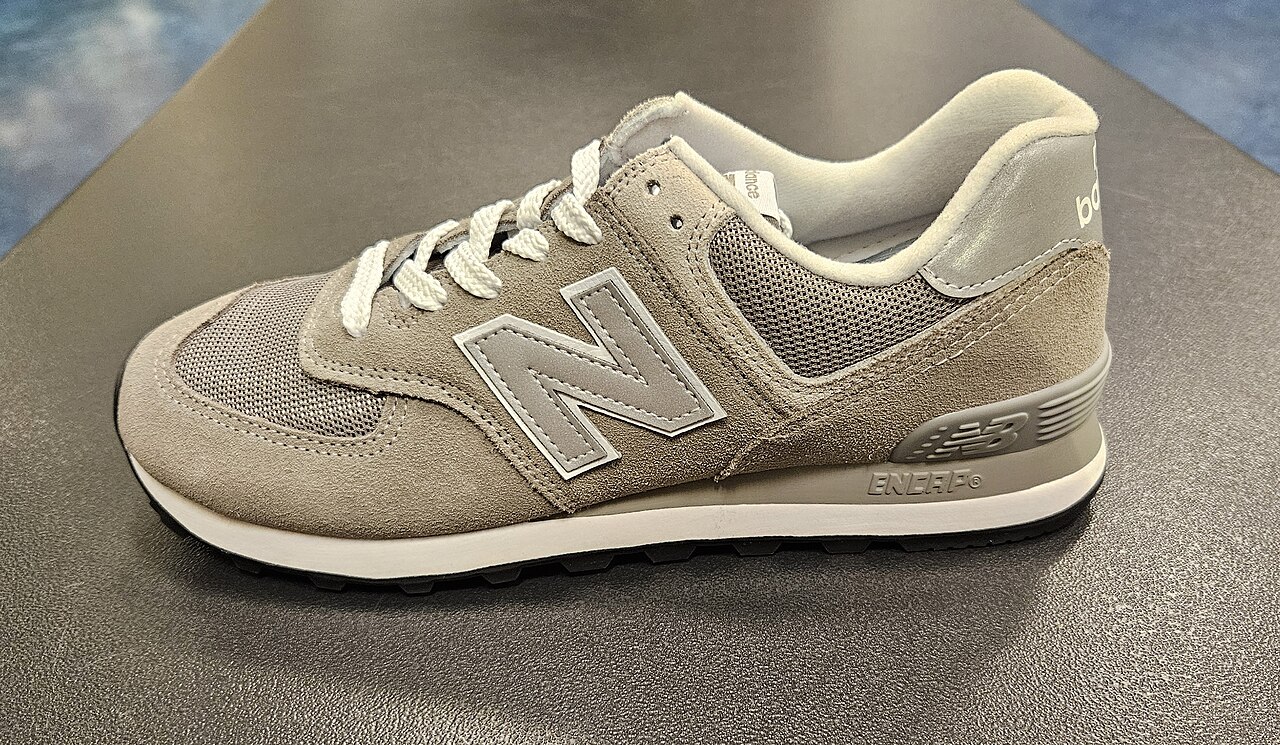
New Balance is the brand runners with wide feet swear by, and the brand whose grey running shoes became a fashion statement without trying. This review looks at its running range, its unusually good width options, and where its shoes fall short.
Brand Overview
New Balance was founded in 1906 in Boston, Massachusetts, as the New Balance Arch Support Company, making arch supports and orthopaedic shoes. That origin — a company that began by supporting feet rather than by marketing to athletes — still shapes the brand more than a century later. New Balance grew slowly, built its reputation in running in the 1970s and 1980s, and became known for two things: a serious running shoe range, and a commitment to offering shoes in a wide range of widths, including narrow, standard, wide, and extra-wide fittings, which few other major brands match. In brand-recognition surveys such as YouGov's rankings, New Balance appears as a well-known athletic brand in the United States, and it is particularly strong among runners and among buyers who need a wide fitting.
New Balance is also unusual among large footwear brands in that it still manufactures a portion of its shoes in the United States and the United Kingdom, and it makes a point of that in its marketing. The brand has grown considerably in the last decade, helped by the fashion popularity of its 990 and 550 lines, but it remains smaller than Nike and Adidas, and its range is narrower. This review is editorial and independent: Sole & Stride is not affiliated with New Balance, New Balance has not paid for this review, and nothing here is based on laboratory testing we claim to have done.
Main Product Lines
New Balance's running range is led by the Fresh Foam line, its cushioned daily trainer range, which includes the 1080 as the premium cushioned model and the 880 as the workhorse daily trainer. The FuelCell line is its faster, more responsive range, including the SuperComp racing shoes with a carbon plate. The 860 is its stability shoe for runners who overpronate. That range is deep enough for most runners, and it is organised more clearly than some rivals: the numbers tell you roughly where a shoe sits, and the range changes less dramatically year to year.
Outside running, New Balance's lifestyle range has become a major part of the brand. The 990, a grey running shoe that has been made in the United States since the 1980s, became a fashion icon, and the 550, a basketball shoe from the same era, has had a similar revival. The 574 and the 2002R are also widely worn as everyday shoes. New Balance also makes a strong range of walking shoes, court shoes, and children's shoes, and its Made in USA and Made in UK lines are sold at a premium for buyers who value domestic manufacturing.
Strengths
New Balance's greatest strength is width. It offers more width options than any other major athletic brand — typically narrow, standard, wide, and extra-wide in its main running and walking models — and for people with wide or narrow feet, that is not a minor detail, it is the difference between a shoe that fits and one that does not. The brand's shoes are also generally well made, with durable uppers and midsoles that keep their cushioning for a reasonable lifespan. Its running shoes are consistently well reviewed by runners and by running publications, and the Fresh Foam cushioning is soft, comfortable, and well suited to long, easy miles.
A second strength is the clarity of the range. The numbered model system makes it easier to find the shoe you want and to replace it next year, and the brand does not rename its models as often as some rivals. New Balance's commitment to manufacturing in the United States and the United Kingdom is also a genuine point of difference, and it matters to buyers who care about where their shoes are made. Its lifestyle shoes are well made and versatile, and they work as everyday shoes without trying to be fashion statements.
Weaknesses
New Balance's weaknesses are the other side of its strengths. Its range is narrower than Nike's or Adidas's: it has fewer racing shoes, fewer specialist models, and a smaller trail range, so a runner with a very specific need may not find a New Balance shoe for it. Its shoes are often heavier than the lightest rivals, because the brand prioritises durability and cushioning over weight. Some of its models are also harder to find than Nike or Adidas, particularly outside the United States, and the wide fittings that are its greatest strength are not available in every model or every market.
Prices are comparable to its rivals, and the Made in USA and Made in UK lines are more expensive: daily trainers typically around $130 to $170 as of November 2026, racing shoes typically around $200 to $250, and Made in USA models typically around $180 to $250. The fashion popularity of the 990 and 550 has also made some models hard to find in common sizes, and the resale market for them can be inflated. And while New Balance's running shoes are well regarded, the brand has less presence in elite racing than Nike, which matters to runners who want the fastest shoe available, even if it matters little to most recreational runners.
| Line | Typical use | Typical price range |
|---|---|---|
| Fresh Foam 1080 | Cushioned daily running | Typically around $150–$170 |
| Fresh Foam 880 | Daily running, workhorse trainer | Typically around $130–$150 |
| FuelCell SuperComp | Race day | Typically around $200–$250 |
| 990 / 550 (lifestyle) | Everyday wear | Typically around $180–$250 |
| Walking shoes | All-day walking, standing | Typically around $80–$130 |
Who New Balance Suits — and Who It Does Not
New Balance suits runners with wide or narrow feet above all: if you have struggled to find a shoe that fits, New Balance is the first brand to try, because its width range is unmatched. It suits runners who want a reliable, well-made daily trainer and who value durability and comfort over the lightest weight. It suits walkers and people who stand all day, for whom its walking shoes and wide fittings are a genuine help. And it suits buyers who want a well-made everyday shoe with a quiet, classic look.
New Balance suits less well runners who want the lightest, fastest racing shoe available, because its racing range is smaller and less prominent than Nike's. It suits less well buyers outside the United States who want the full range, because availability is thinner in some markets. And it is a poor choice for anyone who needs a specialist shoe — for example, a fell running shoe or a court shoe for a specific sport — and expects New Balance to have a deep range in that niche. The brand is broad, but it is not the broadest.
Editorial Conclusion
New Balance is the brand to try first if fit is your problem, and a strong choice for anyone who wants a well-made running or walking shoe without the noise of the biggest brands. Its width range is a genuine advantage, its running shoes are consistently good, and its numbered model system makes choosing and replacing a shoe simpler than it is elsewhere. The trade-offs — a narrower range, heavier shoes, and a smaller racing presence — matter less for most buyers than the fit. For help with fit, see our wide and narrow feet sizing guide, our running shoe buying guide, and our 10,000 steps guide. Compare with our reviews of Nike, Skechers, and ASICS.
Image credit: New Balance 574 trainer, photographed by LeDroider, licensed CC0, via Wikimedia Commons. Source: https://commons.wikimedia.org/wiki/File:New_Balance_574.jpg
