
Nike Shoes Reviewed: What the Brand Does Well, and Where It Falls Short
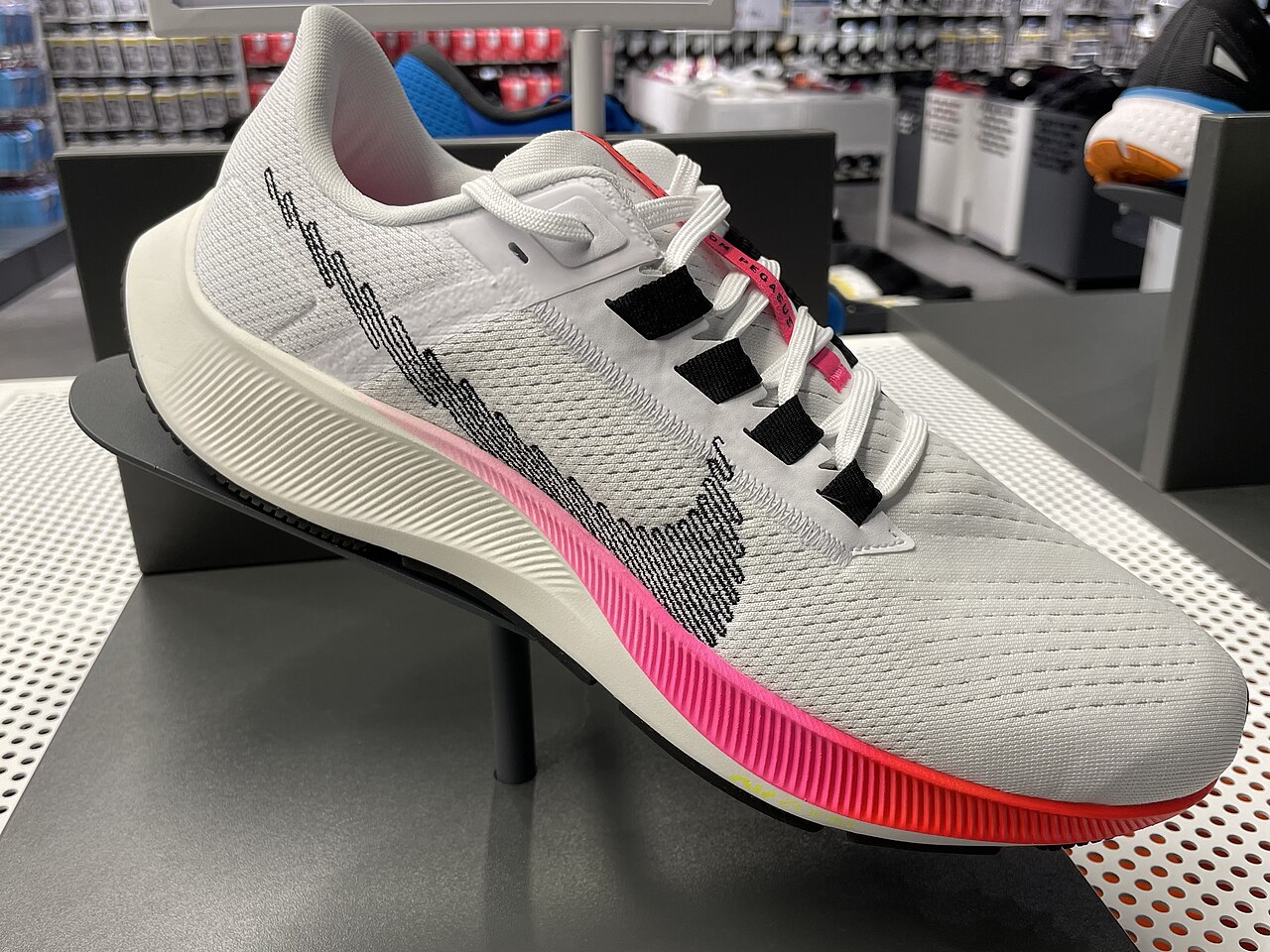
Nike is the largest athletic footwear brand in the world, and its shoes are everywhere — on running tracks, basketball courts, pavements, and school playgrounds. This review looks at what Nike actually offers across its running, basketball, and everyday ranges, where its shoes excel, where they frustrate buyers, and who they suit best.
Brand Overview
Nike began in 1964 as Blue Ribbon Sports, a small distributor of Japanese running shoes, founded by Phil Knight and Bill Bowerman, a track coach at the University of Oregon. The company became Nike in 1971, taking its name from the Greek goddess of victory, and the swoosh logo was designed the same year. From those beginnings in running, Nike grew into the largest athletic footwear and apparel company in the world by revenue, a position it has held for many years according to its published financial reports. Its shoes are sold in almost every country, and the brand is consistently among the most recognised sportswear names in brand-recognition surveys such as YouGov's brand rankings, where Nike regularly appears near the top of the sportswear category in the United States and the United Kingdom.
Nike's position is built on three things: a very wide product range, heavy investment in running and basketball technology, and marketing that ties the brand to elite athletes and major sporting events. That scale brings advantages for the buyer — a huge choice of models, wide availability, and a well-developed system of sizes and widths in many markets — and disadvantages too, which this review covers honestly. It is worth saying plainly at the start that this review is editorial: Sole & Stride is not affiliated with Nike, Nike has not paid for this review, and nothing here is based on a test we claim to have run in a laboratory. Where we describe a shoe's behaviour, we are summarising the design as the manufacturer describes it, the construction as it can be seen, and the consistent themes in what owners and reviewers report.
Main Product Lines
Nike's running range is the broadest part of its footwear line. The Pegasus is its long-running daily trainer, updated every year, and it is the default recommendation for a runner who wants one reliable shoe for most runs. The Vomero sits above it as a more cushioned, more premium daily trainer. The Structure is Nike's stability option for runners who overpronate. The Invincible is its maximally cushioned shoe, built for easy miles and recovery runs. And the Vaporfly and Alphafly are its racing shoes, built with a carbon plate and a super-foam, aimed at runners chasing a personal best. That range means most runners can find a Nike shoe for their needs, but it also means the line is confusing: the differences between a Pegasus, a Vomero, and an Invincible are real but subtle, and they change every year.
Beyond running, Nike's basketball range is led by the Air Jordan line, which began in 1985 with the first Air Jordan shoe and has become a cultural phenomenon far beyond basketball, and by its signature basketball shoes for current players. Its everyday range — the Air Force 1, the Air Max line, the Dunk, and the Blazer — are among the most worn casual shoes in the world, and they are bought as often for looks as for comfort. Nike also makes a large range of training shoes, walking shoes, and skateboarding shoes under its SB line. The breadth is the point: Nike is a brand you can wear for almost any activity, and many people do.
Strengths
Nike's greatest strength is the depth of its running shoe development. Its foams — particularly the ZoomX foam used in its racing shoes and the ReactX foam used in its trainers — are among the most praised in the industry for energy return and lightness, and the Vaporfly is widely credited with changing the racing shoe market when it appeared. The brand's scale also means its shoes are easy to find: most models are available in many sizes, in wide fittings in many markets, and through a large network of retailers, so trying before buying is usually possible. Nike's quality control is generally consistent, and its shoes are usually well made for their price.
The second strength is range. A runner, a basketball player, a walker, and a person who simply wants a comfortable everyday shoe can all buy Nike, and that makes it easy to stay with a brand whose fit you know. Nike also invests heavily in sustainability initiatives and in recycling programmes, and its membership and app ecosystem makes it easy to track orders, find sizes, and return shoes that do not fit. For runners, the annual updates to its main models mean there is usually a previous year's version available at a discount, which is often the best value in the range.
Weaknesses
Nike's weaknesses are the other side of its scale. Its sizing is inconsistent between models: a size that fits in a Pegasus can feel different in a Vomero or an Air Force 1, because the models are built on different lasts. Its most popular models are also frequently out of stock in common sizes, and limited releases of its most fashionable shoes sell out quickly and appear on resale markets at inflated prices, which frustrates ordinary buyers. The brand's prices have risen steadily, and its racing shoes are among the most expensive on the market, typically around $200 to $300 as of November 2026, which puts them out of reach for many runners.
There are also practical complaints that recur. Some Nike running shoes have a narrow fit that does not suit wider feet, and the wide versions are not available in every market or every model. Some of its fashion models, notably the Air Force 1, are heavy and flat-soled, and they are poor walking shoes despite being worn all day by many people. And the sheer number of models, and the yearly renaming and repositioning of them, makes it hard for a buyer to know which shoe is the current version of the one they liked last year. Nike's customer service and returns are generally good, but the experience varies by country and by retailer.
| Line | Typical use | Typical price range |
|---|---|---|
| Pegasus (daily trainer) | Most runs, most runners | Typically around $130–$150 |
| Vomero (cushioned trainer) | Long runs, recovery miles | Typically around $150–$170 |
| Vaporfly / Alphafly (racing) | Race day | Typically around $200–$300 |
| Air Force 1 (everyday) | Casual wear | Typically around $90–$120 |
| Air Jordan (basketball / lifestyle) | Court and casual wear | Typically around $120–$220 |
Who Nike Suits — and Who It Does Not
Nike suits runners who want a wide choice and who are willing to try a few models to find the fit, because the range rewards a little patience. It suits people who already know their Nike size in a particular model and want a reliable replacement. It suits basketball players and fans of basketball culture, for whom the Jordan line is a genuine draw. And it suits buyers who value availability: Nike shoes are sold almost everywhere, and finding a pair in your size is usually easy, outside the limited releases.
Nike suits less well people with wide feet who cannot find a wide fitting in their market, because the standard fit runs narrow in several popular models. It suits less well buyers on a tight budget who need a durable daily trainer at the lowest price, because Nike's entry-level running shoes are often outclassed on value by competitors. And it is a poor choice for anyone who wants a shoe that does a specific job — for example, a walking shoe for all-day standing — and buys a fashion model such as the Air Force 1 for that job instead. The shoe is not the problem; the mismatch is.
Editorial Conclusion
Nike is the biggest athletic footwear brand for a reason: its running shoes are genuinely good, its range is unmatched, and its best models are among the best in their categories. But bigness is not a reason to buy a particular shoe. The right Nike shoe is the one that fits your foot, matches your running or walking, and is bought at the right price — often last year's model at a discount. Try before you buy, check the width, and do not pay a premium for a limited release when a regular model would serve you better. For help choosing, our running shoe buying guide explains how to match a shoe to your gait, our cushioning technology guide explains the foams and plates behind the marketing, and our wide and narrow feet sizing guide covers the fit question that matters most. See also our reviews of Adidas, New Balance, and ASICS, Nike's closest running rivals.
Image credit: Nike Zoom Pegasus 38 running shoe, photographed by Ssu, licensed CC BY-SA 4.0, via Wikimedia Commons. Source: https://commons.wikimedia.org/wiki/File:Nike_Zoom_Pegasus_38_running_shoe.jpg
