
Adidas Shoes Reviewed: Boost, Everyday Classics, and Fit Quirks
Adidas is one of the oldest and largest sportswear brands in the world, known for its three stripes, its Boost cushioning, and a back catalogue of classics that have never really gone away. This review looks at what Adidas offers across running, training, and everyday wear, and where its shoes frustrate buyers.
Brand Overview
Adidas was founded in 1949 by Adolf Dassler in Herzogenaurach, Germany, after he split from his brother Rudolf, who went on to found Puma. The company takes its name from its founder — Adi Dassler — and the three stripes, originally added to stabilise the shoe, became one of the most recognised logos in the world. Adidas grew through sport: it made shoes for Olympic athletes in the 1950s and 1960s, for footballers at World Cups, and for runners and tennis players, and by the late twentieth century it was one of the two largest sportswear companies in the world alongside Nike. In brand-recognition surveys such as YouGov's rankings, Adidas regularly appears among the most recognised sportswear brands in the United States and Europe, and it is particularly strong in Europe, where it is based.
Adidas is a brand with two faces, and that is part of its appeal. One face is performance: running shoes, football boots, and training shoes built with its Boost and Lightstrike foams. The other face is lifestyle: the Samba, the Gazelle, the Stan Smith, and the Superstar, shoes that began as sports shoes decades ago and are now worn as everyday fashion. That dual identity means Adidas is bought by runners, footballers, and people who simply want a classic-looking trainer, and it means the brand's range is unusually broad. This review is editorial and independent: Sole & Stride is not affiliated with Adidas, Adidas has not paid for this review, and nothing here is based on laboratory testing we claim to have done.
Main Product Lines
Adidas's running range is led by the Ultraboost, its cushioned daily trainer built around Boost foam, and the Adizero line, its lightweight racing range, which includes the Adizero Adios Pro with a carbon plate. The Solar and Supernova lines sit below the Ultraboost as more affordable daily trainers. The brand's Boost foam, made from expanded TPU beads, was a genuine innovation when it appeared in 2013: it is bouncy, durable, and keeps its cushioning longer than traditional EVA foam, and it remains one of the most praised cushioning materials in running. More recently Adidas has introduced Lightstrike Pro, a lighter foam used in its racing shoes, and it has begun to close the gap with its rivals in the racing market.
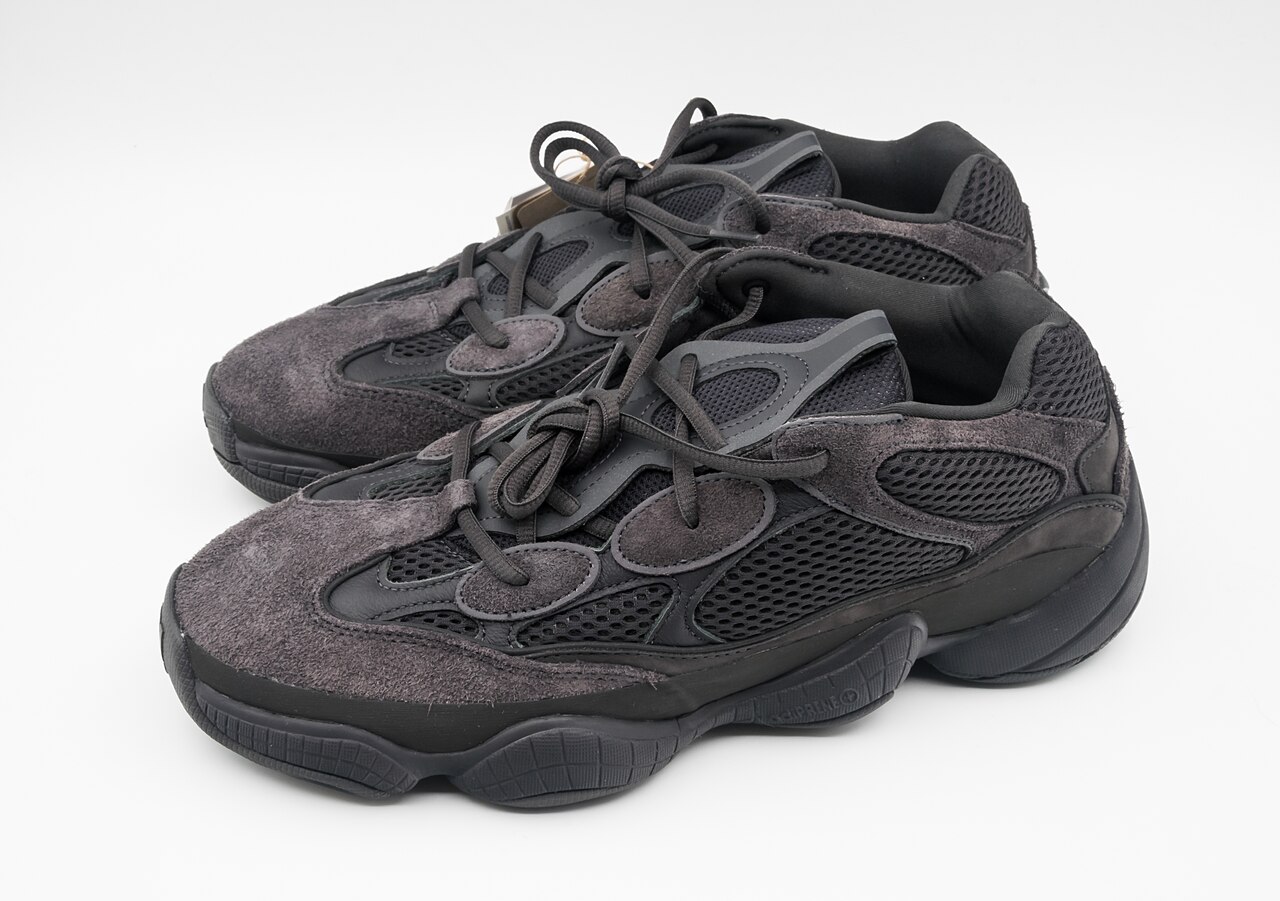
Outside running, Adidas's football boots are worn by professionals and amateurs in almost every league, and its training and gym shoes are a staple of the category. Its lifestyle range is where the brand is most distinctive: the Samba, originally an indoor football shoe from the 1950s, has become one of the most worn casual shoes of the last few years, and the Stan Smith and Superstar have been in continuous production for decades. Adidas also owns the Yeezy line's history — a collaboration that ended in 2022 — and the Terrex outdoor range for hiking and trail running. The range is broad, but it is less deep in specialist categories than some rivals: Adidas has no direct equivalent of some of the most cushioned maximal shoes, and its trail range is smaller than its road range.
Strengths
Adidas's greatest strength is Boost foam. It is durable, it keeps its bounce for hundreds of miles, and it feels consistent in a way that many softer foams do not. A runner who buys an Ultraboost knows roughly what they are getting, and the shoe will feel similar in month six to how it felt in month one. The brand's lifestyle shoes are a second strength: the Samba, Gazelle, Stan Smith, and Superstar are well made, comfortable for everyday wear, and they hold their value as designs in a way that few trainers do. They are also widely available and often discounted, which makes them good value.
A third strength is fit for many foot shapes. Adidas shoes are generally built on a slightly wider last than some of its rivals, and many people with wider feet find Adidas more comfortable than the equivalent Nike. The brand also has a strong sustainability story, with a large range of shoes made with recycled materials, and it is transparent about the materials it uses. Its returns and customer service are generally good, and its shoes are sold through a wide network of retailers, so trying before buying is usually possible.
Weaknesses
Adidas's weaknesses start with weight. Boost foam is heavier than the newest super-foams, and an Ultraboost is a noticeably heavier shoe than a rival daily trainer built with a lighter foam. For a runner who values lightness, that matters. The brand's racing shoes, while much improved, arrived late to the carbon-plate race, and for several years Adidas had no shoe that could match the best racing shoes from its rivals. That gap has narrowed, but the perception lingers, and some runners still regard Adidas as a step behind in racing.
Sizing is inconsistent, as it is for most large brands: a size that fits in a Samba can feel different in an Ultraboost, and the brand's shoes are often reported as running slightly large or slightly small depending on the model, which means trying before buying matters. Some of its lifestyle shoes, particularly the Samba and the Stan Smith, have flat, thin soles that are poor for all-day walking, despite being worn all day by many people. And the brand's range is so large, and its model names change so often, that it can be hard to know which shoe is the current version of the one you liked. Prices are comparable to its rivals: daily trainers typically around $130 to $180 as of November 2026, racing shoes typically around $200 to $250.
| Line | Typical use | Typical price range |
|---|---|---|
| Ultraboost (daily trainer) | Daily running, all-day comfort | Typically around $150–$190 |
| Adizero Adios Pro (racing) | Race day | Typically around $200–$250 |
| Supernova / Solar (value trainer) | Daily running on a budget | Typically around $100–$140 |
| Samba / Gazelle (lifestyle) | Casual everyday wear | Typically around $70–$110 |
| Stan Smith / Superstar | Casual everyday wear | Typically around $80–$110 |
Who Adidas Suits — and Who It Does Not
Adidas suits runners who want a durable, consistent daily trainer and who value a shoe that keeps its cushioning over hundreds of miles. It suits people with slightly wider feet who find other brands too narrow. It suits anyone who wants a classic-looking everyday trainer: the Samba, the Stan Smith, and the Superstar are among the most versatile casual shoes available, and they work with more outfits than most trainers. And it suits footballers, for whom Adidas boots are a standard choice at every level of the game.
Adidas suits less well runners who prioritise lightness above all else, because its daily trainers are heavier than the lightest rivals. It suits less well people who want a maximally cushioned shoe for recovery miles, because its range is thinner there than some competitors. And it is a poor choice for anyone who buys a flat-soled lifestyle shoe such as the Samba for a day of walking and expects it to behave like a walking shoe — it will not, and the feet will know by the afternoon.
Editorial Conclusion
Adidas is a brand that does two things very well: durable, bouncy running shoes built around Boost foam, and timeless everyday trainers that have outlasted every fashion cycle. Its weaknesses — heavier daily trainers, a racing range that arrived late, and inconsistent sizing — are real, but they are the kind of weaknesses that matter less if you know what you are buying. Try the shoe on, check the fit, and buy the model for the job you actually do. For help with that choice, our running shoe buying guide covers how to match a shoe to your gait, our cushioning technology guide explains Boost and its rivals, and our 10,000 steps guide covers all-day comfort. Compare with our reviews of Nike, Puma, and New Balance.
Image credit: Adidas Yeezy 500 sneaker, photographed by Jacek Halicki, licensed CC BY-SA 4.0, via Wikimedia Commons. Source: https://commons.wikimedia.org/wiki/File:2023_Adidas_Yeezy_500_(1).jpg
