
ASICS Shoes Reviewed: Running Heritage, Gel Cushioning, and Reliable Trainers
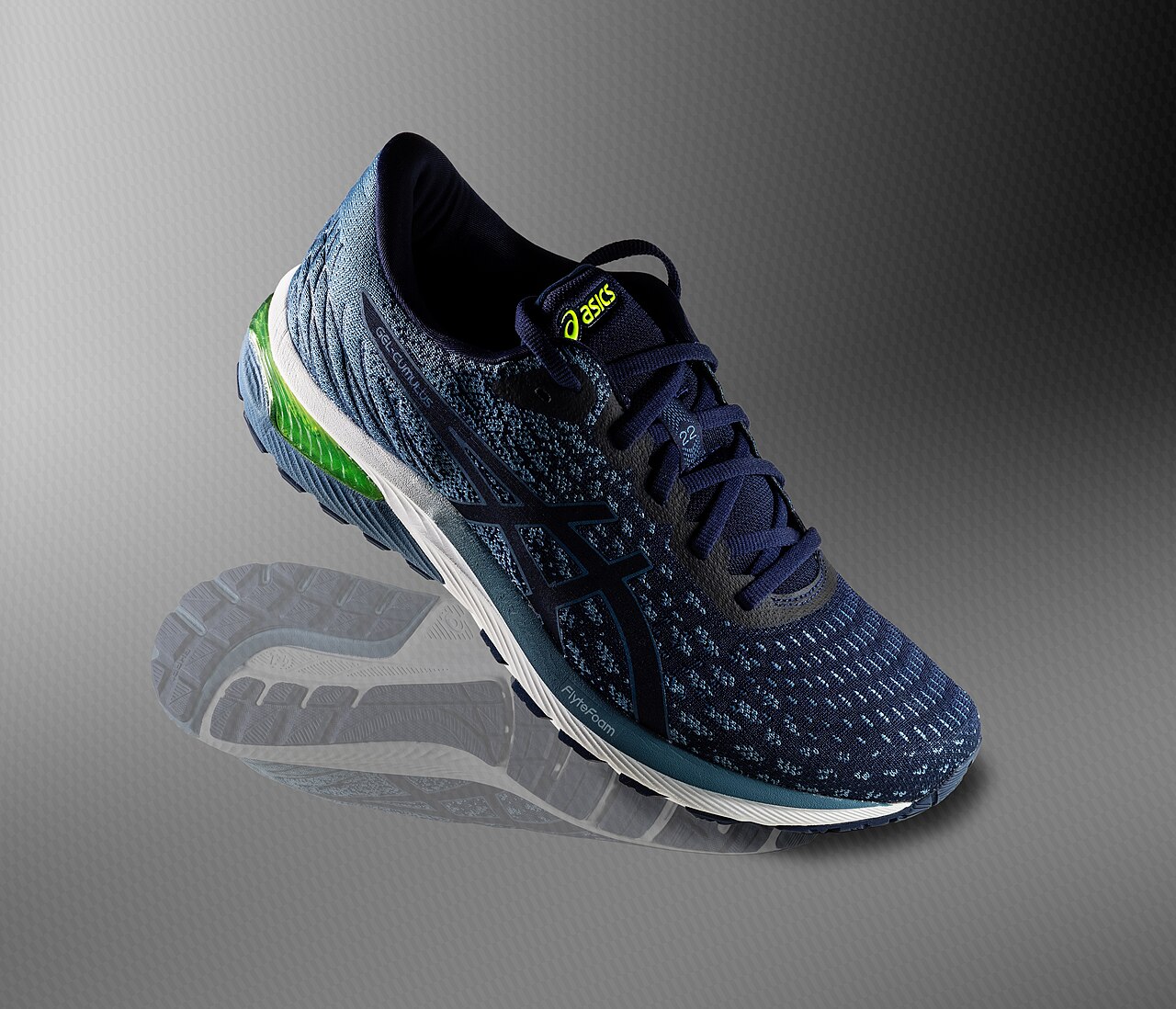
ASICS is the runner's brand: less visible than Nike, less fashionable than Adidas, but trusted by runners for decades. This review looks at its Gel cushioning, its running range, and why its shoes are a default choice for so many runners — and where they fall short.
Brand Overview
ASICS was founded in 1949 in Kobe, Japan, by Kihachiro Onitsuka, and its name comes from the Latin phrase anima sana in corpore sano — a sound mind in a sound body. The company began making basketball shoes, then running shoes, and it built its reputation on a simple idea: a running shoe should be engineered, not just designed. ASICS became known for its Gel cushioning, for its careful approach to stability and fit, and for a running range that changed gradually rather than chasing fashion. In brand-recognition surveys such as YouGov's rankings, ASICS appears as a well-known athletic brand, particularly among runners, and it is one of the most commonly worn brands at mass-participation running events, where its shoes are a familiar sight at every pace.
ASICS is a brand that runners trust, and that trust is earned rather than marketed. Its shoes are rarely the lightest, rarely the most fashionable, and rarely the cheapest, but they are consistently well made, consistently comfortable, and consistently available in the sizes and widths runners need. This review is editorial and independent: Sole & Stride is not affiliated with ASICS, ASICS has not paid for this review, and nothing here is based on laboratory testing we claim to have done.
Main Product Lines
ASICS's running range is led by the Gel-Kayano, its stability shoe, which has been in production for more than thirty years and is one of the longest-running shoe lines in the industry, and the Gel-Nimbus, its maximally cushioned neutral shoe. The Gel-Cumulus is its versatile daily trainer, and the GT-2000 is its more affordable stability option. The Novablast is its bouncy, responsive trainer, built around the brand's FlyteFoam Blast foam, and the Metaspeed line is its carbon-plated racing range. That range is deep enough for almost any runner, and it is organised clearly: the names have stayed stable for years, which makes it easy to find the shoe you want and to replace it next year.
Outside running, ASICS makes a strong range of court shoes for tennis, volleyball, and indoor sports, a walking range, and a lifestyle range led by the Gel-1130 and the Gel-Kayano 14, which have become fashion items in their own right. It also makes a trail running range, and its Onitsuka Tiger sub-brand sells retro designs that began as sports shoes in the 1960s and 1970s. The range is narrower than Nike's, but it is deeper in the categories that matter to runners, and that is the point.
Strengths
ASICS's greatest strength is consistency. A Gel-Kayano bought this year will feel like a Gel-Kayano, and a runner who has worn the model for a decade can buy the new version with confidence. The brand's Gel cushioning is a second strength: it absorbs impact well, particularly under the heel, and it is durable, keeping its cushioning for hundreds of miles. The brand's approach to stability is also well regarded: its stability shoes use a firm foam on the inner side and a wide base to control overpronation gently, without making the shoe feel rigid or medical.
A third strength is fit and width. ASICS offers wide fittings in many of its main running models, and its shoes are generally built on a last that suits a wide range of foot shapes. The brand's shoes are also well made, with durable uppers and outsoles that last, and they are usually available at a discount, particularly last year's models, which are often almost identical to the current ones. For a runner who wants a reliable daily trainer at a fair price, ASICS is often the best value on the shelf.
Weaknesses
ASICS's weaknesses start with weight and looks. Its shoes are often heavier than the lightest rivals, because the brand prioritises durability and cushioning over weight, and its designs are often described as functional rather than fashionable. Its racing range, while much improved, arrived late to the carbon-plate era, and for several years ASICS had no shoe that could match the best racing shoes. That gap has narrowed with the Metaspeed line, but the perception lingers. The brand's lifestyle range is smaller than its rivals, and its shoes are less visible in street culture, which matters to buyers who want a shoe that works as fashion as well as function.
Sizing is generally consistent, but the brand's shoes can run slightly narrow in some models, and the wide fittings are not available in every market. Some of its models are also harder to find than Nike or Adidas, particularly outside specialist running shops, and the brand's marketing is less prominent, which means there is less independent reviewing of its shoes. Prices are comparable to its rivals: daily trainers typically around $120 to $160 as of November 2026, premium cushioned models typically around $150 to $180, and racing shoes typically around $200 to $250.
| Line | Typical use | Typical price range |
|---|---|---|
| Gel-Kayano (stability) | Overpronation, daily running | Typically around $150–$170 |
| Gel-Nimbus (max cushion) | Long runs, recovery miles | Typically around $150–$180 |
| Gel-Cumulus (daily trainer) | Most runs, most runners | Typically around $120–$140 |
| Novablast (responsive) | Faster runs, tempo days | Typically around $140–$160 |
| Metaspeed (racing) | Race day | Typically around $200–$250 |
Who ASICS Suits — and Who It Does Not
ASICS suits runners above all: it is the brand to try first if you want a reliable, well-made running shoe and you do not care about fashion. It suits runners who overpronate, for whom the Gel-Kayano is one of the best stability shoes available. It suits runners who want a shoe that lasts, because ASICS shoes are durable and their cushioning keeps working for hundreds of miles. It suits people with slightly wider feet who need a wide fitting in a running shoe. And it suits anyone who values consistency: the same model, year after year, with gradual improvements rather than reinvention.
ASICS suits less well runners who want the lightest shoe available, because its shoes are heavier than the lightest rivals. It suits less well buyers who want a fashionable everyday trainer, because its lifestyle range is smaller and less prominent. And it is a poor choice for anyone who needs a shoe for a specific sport outside running and court sports, where the range is thin. For most runners, though, those are minor points.
Editorial Conclusion
ASICS is the runner's default: not the flashiest brand, not the lightest, not the cheapest, but the one that most consistently delivers a well-made, comfortable running shoe that lasts. If you run regularly and you want a shoe you can buy with confidence, ASICS should be on your shortlist, and the Gel-Kayano and Gel-Cumulus are among the safest choices in running. Try the shoe on, check the width, and consider last year's model for the best value. For help choosing, see our running shoe buying guide, our cushioning technology guide, and our flat feet guide. Compare with our reviews of Nike, New Balance, and HOKA.
Image credit: ASICS Gel-Cumulus 22 running shoe, photographed by Petar Milošević, licensed CC BY-SA 4.0, via Wikimedia Commons. Source: https://commons.wikimedia.org/wiki/File:Asics_Gel-Cumulus_22.jpg
