
HOKA Shoes Reviewed: Maximal Cushioning, Rocker Soles, and Who They Help
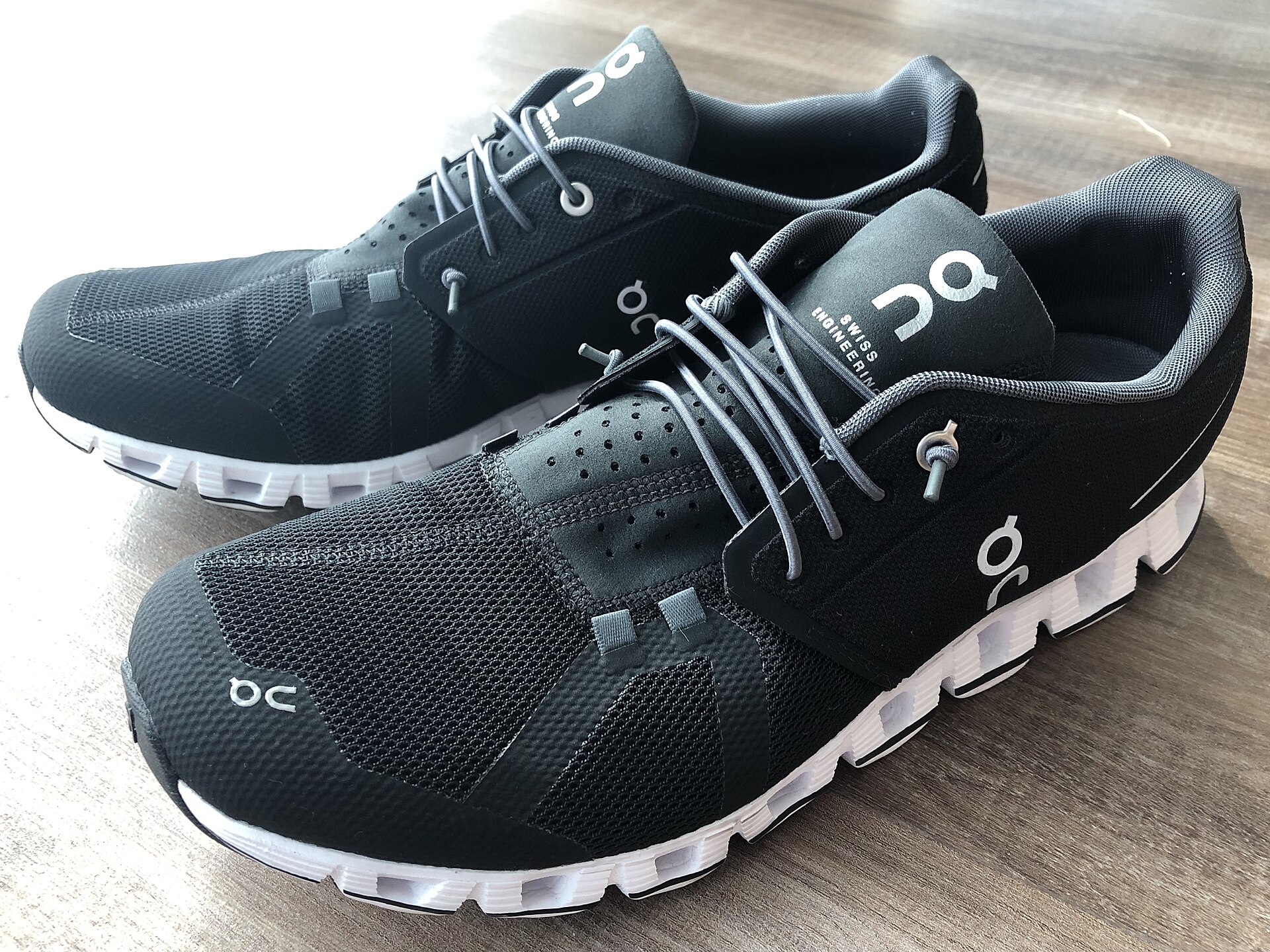
HOKA went from a niche trail brand to one of the fastest-growing running brands in the world, built on a simple idea: a lot of cushioning under a light shoe. This review looks at what maximal cushioning actually does, who it helps, and where HOKA shoes fall short.
Brand Overview
HOKA was founded in 2009 in France by Jean-Luc Diard and Nicolas Mermoud, two former Salomon employees who wanted a shoe that would let runners go downhill faster. Their answer was a shoe with a very thick midsole — far thicker than anything else on the market at the time — but a light weight, so the foot was protected without being weighed down. The look was unusual, and the first reaction from many runners was scepticism, but the shoes worked: they absorbed impact, they were light, and they were comfortable over long distances. HOKA grew from a trail niche into road running, and in the last decade it has become one of the fastest-growing running brands in the world, according to its parent company's published financial reports, and in brand-recognition surveys such as YouGov's rankings it appears as a rapidly rising athletic brand, particularly among runners.
HOKA's name comes from the Maori phrase hoka one one, meaning to fly over the earth, and the brand's identity is built around that idea of effortless, cushioned running. It is now owned by Deckers Brands, which also owns UGG and Teva. This review is editorial and independent: Sole & Stride is not affiliated with HOKA, HOKA has not paid for this review, and nothing here is based on laboratory testing we claim to have done.
Main Product Lines
HOKA's road range is led by the Clifton, its lightweight daily trainer, and the Bondi, its maximally cushioned shoe, which has the thickest midsole in the range and is built for easy miles and recovery runs. The Mach is its faster, more responsive trainer, and the Rocket X is its carbon-plated racing shoe. The Arahi is its stability option for runners who overpronate. On the trail, the Speedgoat is its best-known shoe, a rugged trail runner with deep lugs and a thick midsole, and it is one of the most popular trail shoes in the world. HOKA also makes a walking range, including the Bondi and the Clifton in walking versions, and a lifestyle range led by the Clifton and the Bondi in casual colours.
What unites the range is the design philosophy: a thick midsole, a rocker-shaped sole that rolls the foot forward, a low drop, and a light weight for the amount of cushioning. The rocker is a key part of the HOKA feel: the curved sole means the foot does not have to bend as much to push off, which some runners find easier on the feet and the calves, and which gives the shoe a distinctive rolling sensation. The range is narrower than Nike's, but it is deep in the categories it covers, and it is organised clearly.
Strengths
HOKA's greatest strength is cushioning for the weight. A Bondi has a very thick midsole but weighs about the same as a much thinner shoe, and the cushioning is soft, consistent, and comfortable over long distances. That makes HOKA shoes a good choice for runners who want protection — heavier runners, runners returning from injury, and runners who do a lot of easy miles — and for walkers who want a soft, cushioned shoe. The rocker sole is a second strength: it makes the shoe feel smooth and propulsive, and it reduces the work the foot has to do to push off, which many runners find easier on tired legs.
A third strength is the brand's growth in quality and availability. HOKA shoes are now sold widely, including in specialist running shops, and the brand's shoes are consistently well reviewed by runners. Its trail shoes are particularly strong: the Speedgoat is a default choice for trail runners, and its grip and cushioning are well regarded. The brand also offers wide fittings in many of its models, which matters for people with wider feet.
Weaknesses
HOKA's weaknesses follow from its design. The thick midsole raises the foot high off the ground, which can feel unstable, particularly on uneven ground or when cornering, and some runners find the shoes feel tippy. The rocker sole can feel strange at first, and it is not for everyone: runners who prefer a firm, direct feel may find HOKA shoes too soft and too rolling. Durability is a mixed picture: the thick foam compresses over time, and some owners report that the cushioning goes flat faster than a firmer shoe, particularly in the softer models. The outsoles on some road models are also thin, with exposed foam in high-wear areas, which wears out faster than a full rubber outsole.
Sizing is generally consistent, but the brand's shoes can run narrow in some models, and the wide fittings are not available in every market. Prices are comparable to its rivals and sometimes higher: daily trainers typically around $130 to $170 as of November 2026, maximally cushioned models typically around $150 to $180, and racing shoes typically around $200 to $250. And the brand's fashion popularity has made some models hard to find in common sizes, particularly the Bondi and the Clifton in popular colours.
| Line | Typical use | Typical price range |
|---|---|---|
| Clifton (daily trainer) | Daily running, light and cushioned | Typically around $130–$150 |
| Bondi (max cushion) | Easy miles, recovery, walking | Typically around $150–$180 |
| Mach (responsive) | Faster runs, tempo days | Typically around $140–$170 |
| Speedgoat (trail) | Trail running, rough ground | Typically around $140–$160 |
| Rocket X (racing) | Race day | Typically around $200–$250 |
Who HOKA Suits — and Who It Does Not
HOKA suits runners who want maximum cushioning and protection: heavier runners, runners doing a lot of easy miles, runners returning from injury, and anyone whose feet or knees ache after long runs. It suits walkers who want a soft, cushioned shoe for all-day walking. It suits trail runners, for whom the Speedgoat is a default choice. And it suits people who like the rocker feel — the smooth, rolling sensation that makes the shoe feel as if it is helping you forward.
HOKA suits less well runners who prefer a firm, direct feel and a shoe that lets them feel the ground. It suits less well runners who need a stable shoe for uneven ground, because the high stack can feel tippy. It suits less well people who want a durable shoe that keeps its cushioning for a year of heavy use, because the soft foam can go flat faster than a firmer shoe. And it is a poor choice for anyone who needs a shoe for court sports or for work that requires a flat, stable base.
Editorial Conclusion
HOKA is the brand to try if you want cushioning above all else. Its shoes are soft, light for their thickness, and comfortable over long distances, and the rocker sole gives them a distinctive, smooth feel that many runners love. The trade-offs — a high stack that can feel unstable, foam that goes flat faster than a firmer shoe, and a soft feel that is not for everyone — are real, but they matter less if you are the runner HOKA is built for. Try the shoe on, walk and jog in it, and give the rocker a few runs to get used to. For help choosing, see our running shoe buying guide, our cushioning technology guide, and our 10,000 steps guide. Compare with our reviews of ASICS, New Balance, and Nike.
Image credit: A pair of cushioned running shoes, photographed by Aw1805, licensed CC BY-SA 4.0, via Wikimedia Commons. Source: https://commons.wikimedia.org/wiki/File:On_Cloud_Running_Shoes.jpg
