
Vans Shoes Reviewed: Skate Heritage, Everyday Style, and Comfort Limits
Vans is the shoe of skateboarding, and its checkerboard slip-on and its Old Skool are among the most recognisable shoes ever made. This review looks at what Vans shoes actually offer as footwear, where they work well, and where their flat, thin soles let them down.
Brand Overview
Vans was founded in 1966 in California by Paul Van Doren, who opened a factory and a shop on the same day and sold shoes directly to customers. The company's first shoes were deck shoes made from canvas and rubber, and they were adopted by skateboarders in the 1970s because the flat, grippy sole stuck to a skateboard better than any other shoe. Vans leaned into that adoption: it sponsored skateboarders, it made shoes in the colours skateboarders wanted, and it became the default skate shoe. In the decades since, Vans has grown into a global lifestyle brand, and in brand-recognition surveys such as YouGov's rankings it appears as a widely known footwear brand, particularly among younger buyers and among skateboarders, surfers, and musicians.
Vans is a brand where the culture is the product. The shoes are simple — canvas or suede uppers, a flat vulcanised rubber sole, a waffle tread — and they have changed very little in fifty years, because the design works for what it is for. That simplicity is both the appeal and the limitation, and it is the key to understanding the brand. This review is editorial and independent: Sole & Stride is not affiliated with Vans, Vans has not paid for this review, and nothing here is based on laboratory testing we claim to have done.
Main Product Lines
The Old Skool is Vans's best-known shoe: a low-top lace-up with a suede and canvas upper, a side stripe, and a flat waffle sole. The Authentic is the original deck shoe, simpler and lighter. The Slip-On, with its checkerboard pattern, is the easiest to wear and one of the most recognisable shoes ever made. The Sk8-Hi is the high-top version, built for ankle support on a skateboard. Those four models are the core of the brand, and they have been in production for decades with only minor changes.
Beyond the core, Vans makes a skate range with reinforced construction and better cushioning for skateboarding, including the Skate Old Skool and the Skate Authentic, which use a more durable upper and a better insole than the classic versions. It also makes a comfort range, including the ComfyCush line, which adds a thicker, softer insole and a more cushioned sole to the classic designs, and a range of boots, sandals, and children's shoes. The range is narrower than a sportswear brand's, but it is coherent: almost everything Vans makes is built around the same flat sole and the same simple construction.
Strengths
Vans's greatest strength is its design. The Old Skool and the Slip-On are among the most versatile casual shoes available: they work with jeans, shorts, and casual trousers, they come in a huge range of colours and patterns, and they look as good now as they did decades ago. The waffle sole is a second strength: it grips well on a skateboard and on smooth surfaces, and it is durable, wearing slowly and evenly. The shoes are also well made for their price, with sturdy canvas and suede uppers and a vulcanised sole that is bonded to the upper, which makes them hard to pull apart.
A third strength is value and availability. A pair of Vans typically costs around $50 to $80 as of November 2026, which is less than most trainers, and they are sold almost everywhere, in a full range of sizes. The brand's shoes are also easy to look after: canvas uppers can be cleaned, and the simple construction means there is little to go wrong. For skateboarders, the grip and the board feel of the flat sole are the reason to buy Vans, and no other brand does it quite the same way.
Weaknesses
Vans's weaknesses are the other side of its simplicity. The flat, thin sole has almost no arch support and very little cushioning, which makes Vans a poor walking shoe for long distances: a day in Old Skools is a long day for the feet, and the shoes are a common cause of sore arches and tired feet among people who wear them all day. The flat sole also offers no shock absorption, so every step on a hard pavement is felt in the heel and the knee. The ComfyCush line improves this, with a thicker insole and more cushioning, but it does not turn a Vans into a walking shoe.
There are also practical complaints. Canvas uppers soak through in rain and take a long time to dry, and they offer no warmth in winter. The shoes are not breathable in the way a mesh trainer is, and they can be hot in summer. Sizing is generally consistent, but the shoes can run narrow, and the flat sole means there is no room for a supportive insole without making the shoe tight. And the brand's range is narrow: if you need a running shoe, a hiking shoe, or a work shoe, Vans is not the brand to look to. Prices are modest, but the value is in the design, not in the comfort.
| Line | Typical use | Typical price range |
|---|---|---|
| Old Skool | Skateboarding, casual wear | Typically around $60–$75 |
| Authentic | Skateboarding, casual wear | Typically around $50–$65 |
| Slip-On | Casual wear, easy on-off | Typically around $50–$70 |
| Sk8-Hi | Skateboarding, casual wear | Typically around $65–$85 |
| ComfyCush Old Skool | Casual wear, more comfort | Typically around $65–$85 |
Who Vans Suits — and Who It Does Not
Vans suits skateboarders above all: the grip, the board feel, and the durability of the flat sole are built for the sport, and no other shoe does it the same way. It suits anyone who wants a simple, versatile casual shoe for short periods — an evening, a day out, a trip to the shops — and who values the look more than all-day comfort. It suits younger buyers and fans of skate culture, for whom the brand's history is part of the appeal. And it suits people who want a well-made, affordable shoe that will last, because Vans shoes are durable and easy to look after.
Vans suits less well anyone who walks long distances or stands all day, because the flat sole offers no support and no cushioning. It suits less well people with flat feet or arch pain, because the shoe does nothing to support the arch. It suits less well anyone who needs a shoe for rain or winter, because canvas soaks through and offers no warmth. And it is a poor choice for any sport other than skateboarding, where a specialist shoe matters more than a flat sole.
Editorial Conclusion
Vans is a brand that does one thing very well — a simple, grippy, good-looking skate shoe — and it is honest about what it is. The mistake is to buy it for a job it was never designed to do: all-day walking, standing, or running. Wear Vans for skating and for short, casual days, choose the ComfyCush version if you want a little more comfort, and keep a proper walking shoe for the days when your feet have to work hard. For the comfort principles behind that advice, see our 10,000 steps guide, our walking versus running guide, and our sandals buying guide. Compare with our reviews of Jordan, Nike, and Crocs.
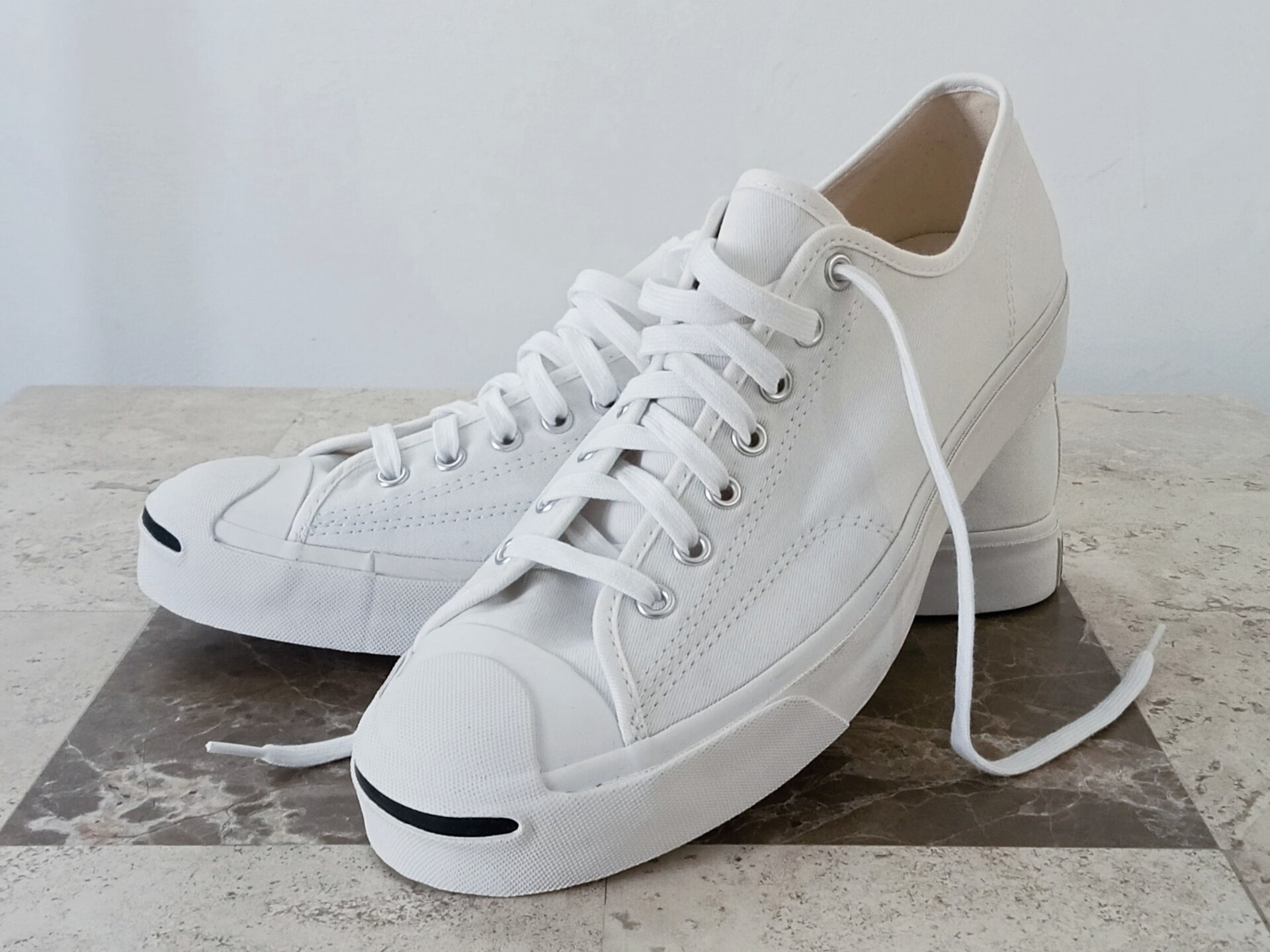
Image credit: A pair of white canvas sneakers, photographed by Mizael Contreras, licensed CC BY-SA 4.0, via Wikimedia Commons. Source: https://commons.wikimedia.org/wiki/File:Converse_Jack_Purcell_sneakers_on_white_canvas.jpg
