
Jordan Shoes Reviewed: Basketball Heritage, Hype, and Everyday Wear
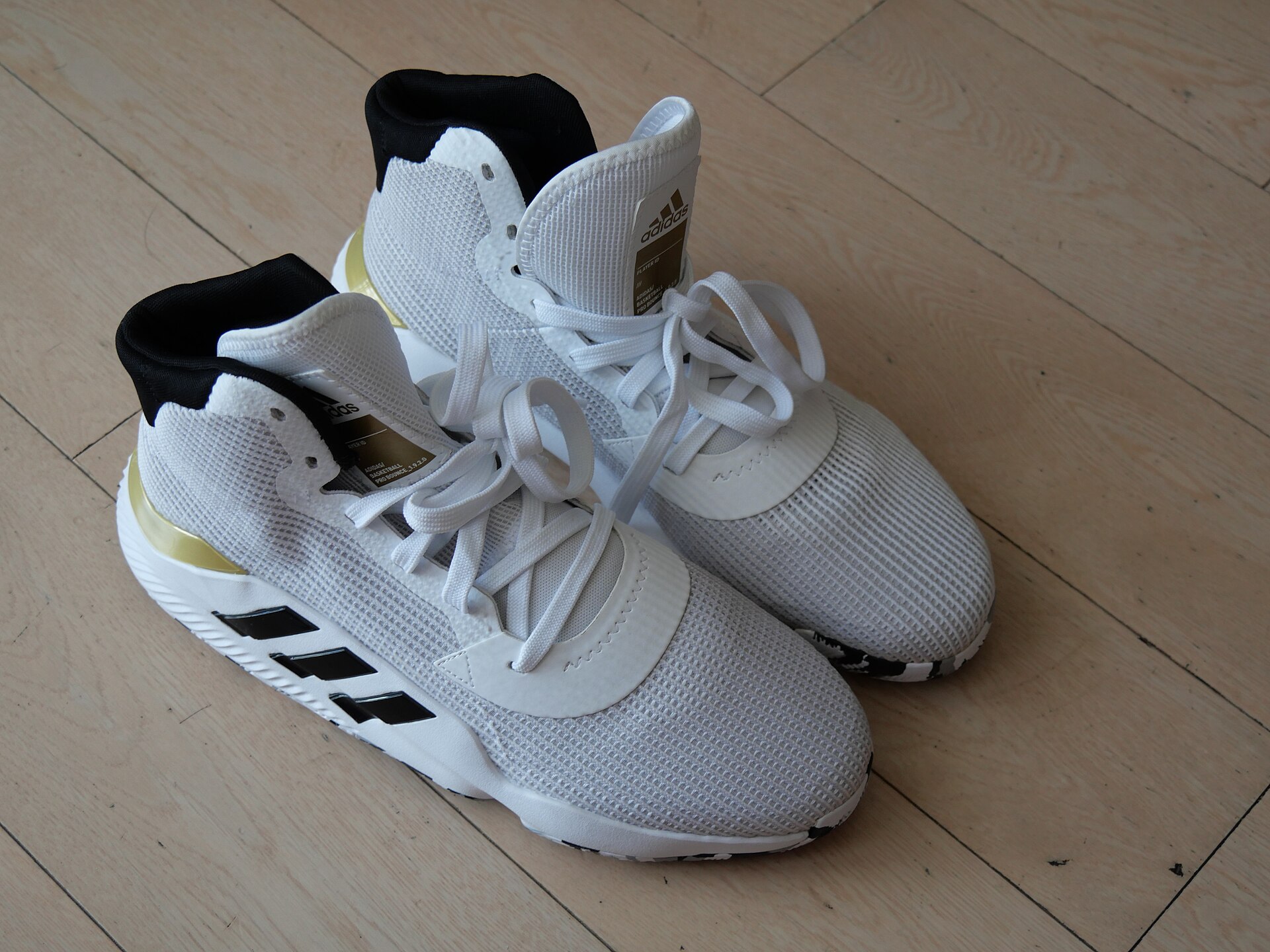
Jordan is the brand that turned a basketball shoe into a cultural object. This review looks at what Jordan shoes actually offer as footwear — on court and on the street — where the hype helps and where it hurts, and who should buy them and who should not.
Brand Overview
Jordan began in 1984, when Nike signed a young Michael Jordan and created the Air Jordan 1, a basketball shoe that the NBA initially banned for breaking its uniform rules — a ban Nike turned into one of the most famous marketing campaigns in sport. The shoe, and the player, became a phenomenon: the Air Jordan line grew into a brand of its own within Nike, with a new numbered model each year, and the shoes became as much a part of street culture and fashion as of basketball. In brand-recognition surveys such as YouGov's rankings, Jordan appears as a highly recognised brand among younger buyers in the United States, and its shoes are among the most sought-after sneakers on the resale market, where some limited releases sell for several times their retail price.
It is important to be clear about what Jordan is and is not. Jordan is a sub-brand of Nike, not an independent company, and its shoes are designed and sold by Nike. Its products fall into two very different groups: performance basketball shoes, built for the court, and lifestyle shoes, built to look like the originals and worn as everyday fashion. Those two groups are often confused, and the confusion matters, because a lifestyle Jordan is not a basketball shoe, however much it looks like one. This review is editorial and independent: Sole & Stride is not affiliated with Jordan or Nike, neither has paid for this review, and nothing here is based on laboratory testing we claim to have done.
Main Product Lines
The numbered Air Jordan line is the heart of the brand. Each year brings a new numbered model, designed as a performance basketball shoe, and the back catalogue — the Air Jordan 1, 3, 4, 11, and others — is reissued regularly in new colours as lifestyle shoes, which are the ones most people actually buy and wear. The Air Jordan 1 is the most iconic of these: a high-top leather shoe that was designed for basketball in 1985 and is now worn almost entirely as a fashion shoe. The Air Jordan 3 and 4 are similarly popular as lifestyle shoes, and the Air Jordan 11, with its patent leather, is one of the most sought-after reissues.
Beyond the numbered line, Jordan makes signature shoes for current basketball players, team shoes, and a range of apparel. Its performance basketball shoes use Nike's cushioning technologies, including Zoom Air units and, in recent models, the Formula 23 foam, and they are designed for the demands of the court: grip, support, and impact protection. Its lifestyle shoes use simpler construction, because they are not expected to perform on court. The distinction is not always obvious from the outside, and it is the single most important thing to understand before buying a Jordan shoe.
Strengths
Jordan's greatest strength is cultural. No other basketball shoe carries the same meaning, and for many buyers that meaning is the point: the shoes are a connection to basketball history, to street culture, and to a design language that has lasted for forty years. The design itself is also a strength: the Air Jordan 1, 3, and 4 are well-proportioned, well-made shoes that work with a wide range of outfits, and their quality — full-grain leather on many models, solid construction — is generally good for the price. The brand's performance basketball shoes are also genuinely good court shoes, with strong grip, good cushioning, and support that suits the demands of the game.
A second strength is the breadth of the back catalogue. Because Jordan reissues its classic models regularly, a buyer who misses one release will usually get another chance, and the range of colours is enormous. The brand's shoes are also widely available through Nike's retail network, and the numbered performance models are usually available in a full range of sizes. For basketball players, the combination of heritage and performance is unique: no other brand offers a shoe with the same history that is also a current performance product.
Weaknesses
Jordan's weaknesses start with availability and price. Limited releases of the most popular models sell out within minutes and appear on the resale market at prices far above retail, which means ordinary buyers often cannot buy the shoe they want at the price it was sold for. The retail prices themselves are high: a new Air Jordan 1 typically retails around $120 to $200 as of November 2026, and a new numbered performance model typically retails around $180 to $220, which is expensive for a shoe that many buyers will wear only casually.
There are also practical weaknesses. The Air Jordan 1 and other lifestyle models have flat, stiff soles and little arch support, and they are poor walking shoes despite being worn all day by many people — a day in Jordan 1s is a long day for the feet. The high-top design can restrict the ankle, and the leather needs breaking in. Sizing is inconsistent between models, and the brand's shoes are often reported as running narrow, which makes trying before buying important. And the performance models change every year, which makes it hard to find the same shoe twice. For a buyer who wants a basketball shoe for playing, the Jordan performance line is a good choice; for a buyer who wants a comfortable everyday shoe, it is usually the wrong one.
| Line | Typical use | Typical price range |
|---|---|---|
| Air Jordan 1 (lifestyle) | Casual wear, fashion | Typically around $120–$200 |
| Air Jordan 3 / 4 (lifestyle) | Casual wear, fashion | Typically around $150–$220 |
| Numbered performance model | Basketball | Typically around $180–$220 |
| Jordan team / signature shoes | Basketball, casual wear | Typically around $100–$180 |
Who Jordan Suits — and Who It Does Not
Jordan suits basketball players who want a performance shoe with heritage, and who are willing to pay for it. It suits collectors and fans of sneaker culture, for whom the history and the design are the point. It suits anyone who wants a well-made, iconic casual shoe and who wears it for short periods — an evening, a day out — rather than for all-day walking. And it suits buyers who already know their Jordan size and fit, because the shoes reward familiarity.
Jordan suits less well anyone who needs a comfortable all-day walking shoe, because the flat, stiff soles of the lifestyle models are not built for that. It suits less well buyers on a budget, because the retail prices are high and the resale prices for popular models are higher still. It suits less well people with wide feet, because the fit runs narrow in several models. And it is a poor choice for anyone who buys a lifestyle Jordan expecting it to perform on a basketball court — it will not, and it could be unsafe to play in.
Editorial Conclusion
Jordan is a brand where the story and the shoe are inseparable, and that is both its appeal and its trap. As a basketball shoe, the performance line is genuinely good. As a fashion shoe, the classics are iconic and well made. As an all-day walking shoe, the lifestyle models are a poor choice, and buyers who wear them that way will feel it by the afternoon. Buy a Jordan for what it is — a piece of basketball history, or a court shoe — and not for a job it was never designed to do. For the comfort side of the choice, see our 10,000 steps guide and our high heels guide for the parallel lesson about fashion shoes and comfort. Compare with our reviews of Nike, Vans, and Puma.
Image credit: A pair of white high-top basketball shoes, photographed by Peachyeung316, licensed CC BY-SA 4.0, via Wikimedia Commons. Source: https://commons.wikimedia.org/wiki/File:A_Pair_of_White_Adidas_Basketball_Shoe_Size_46.jpg
